

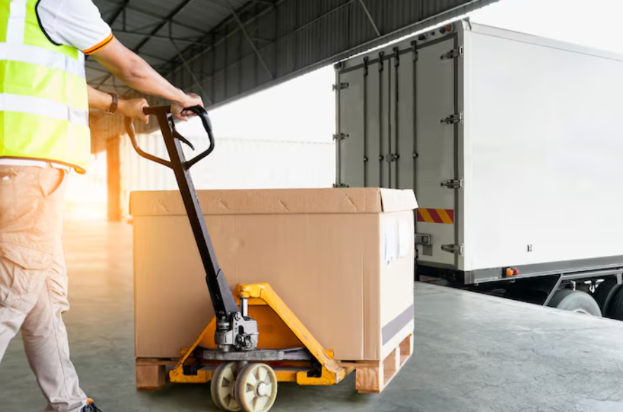

Efficient logistics is the backbone of any successful business. Companies are constantly looking for ways to move goods faster, reduce costs, and ensure products reach their destination safely. One solution that has become increasingly important in modern supply chains is transloading. By using transloading services, businesses can streamline their operations and improve overall efficiency.
What Is Transloading?
Transloading is the process of transferring goods from one mode of transportation to another during their journey. For example, a shipment might arrive by rail and then be moved to a truck for delivery to its final destination. This process allows businesses to combine the strengths of different transportation methods, such as the cost-effectiveness of rail and the flexibility of trucking. Transloading ensures that products can travel long distances efficiently while still reaching locations that might not be directly served by all transportation types.
How Transloading Enhances Operational Efficiency
One of the main benefits of transloading is the increase in operational efficiency. By moving products between different transportation modes at strategic points, businesses can reduce delivery times and avoid delays caused by route limitations. Transloading facilities are designed to handle large volumes of goods quickly, ensuring that shipments are processed without unnecessary waiting periods. This efficiency is particularly valuable for industries that deal with perishable items or products that have strict delivery schedules.
Cost Savings Through Transloading
Transloading can also lead to significant cost savings for companies. Transporting goods entirely by one mode, such as trucking over long distances, can be expensive. Rail transport, on the other hand, is often more cost-effective for bulk shipments over long distances but may not reach the final delivery location directly. By using transloading to switch from rail to truck, businesses can optimize transportation costs while maintaining timely deliveries. Additionally, transloading reduces the need for multiple storage points along the supply chain, cutting down on warehouse expenses.
Flexibility and Scalability
Another advantage of transloading services is flexibility. Businesses can adapt quickly to changing demands, unexpected delays, or shifts in shipment volume. Transloading allows companies to redirect shipments as needed, whether it’s to meet customer requirements or adjust to seasonal demand. Moreover, transloading facilities are scalable, meaning they can handle both small and large volumes of goods. This scalability ensures that companies can grow without being limited by their transportation network.
Improved Risk Management
Transloading also plays a crucial role in risk management. By spreading shipments across different transportation modes, businesses reduce the chance of a single point of failure affecting the entire supply chain. For example, if a rail line experiences delays, goods can be quickly moved to trucks to maintain delivery schedules. This diversification minimizes disruptions, protects the integrity of shipments, and ensures consistent service to customers.
Better Supply Chain Visibility
Modern transloading facilities often use advanced tracking systems that provide real-time visibility into shipments. Businesses can monitor the movement of goods, anticipate potential delays, and make informed decisions about rerouting or scheduling. This improved visibility helps companies maintain a transparent and reliable supply chain, building trust with customers and partners alike.
Conclusion
Transloading services have become a vital component of modern logistics. By enabling the seamless transfer of goods between transportation modes, transloading improves efficiency, reduces costs, enhances flexibility, and strengthens risk management. For businesses looking to optimize their operations, integrating transloading into their supply chain strategy can lead to faster deliveries, lower expenses, and better overall performance. Embracing transloading ensures that your logistics network is both resilient and capable of meeting the demands of today’s fast-paced market.