


Energy efficiency has become a major priority for industrial facilities seeking to control operating costs, improve productivity, and reduce environmental impact. Manufacturing operations often require substantial amounts of heat for processing raw materials, maintaining temperatures, generating steam, and supporting production equipment. Managing this energy effectively can help businesses improve operational performance while making better use of available resources.
As industrial processes become more sophisticated, companies are increasingly focusing on technologies that minimize energy losses and improve the utilization of existing infrastructure.
Understanding Energy Consumption in Industrial Processes
Industrial heating systems account for a significant share of energy consumption in many manufacturing sectors. Industries such as chemicals, textiles, food processing, pharmaceuticals, and metal production depend on thermal energy to maintain consistent process conditions.
However, a considerable amount of energy can be lost through exhaust gases, inadequately insulated pipelines, inefficient combustion, and poorly maintained equipment. Identifying these losses is an important first step towards improving overall energy performance.
A comprehensive energy assessment helps businesses understand where fuel and heat are being consumed. By examining equipment operating conditions, production schedules, fuel usage, and heat distribution, facility managers can identify opportunities to improve efficiency.
Regular performance monitoring also allows operators to detect unusual consumption patterns and take corrective action before inefficiencies significantly affect operating expenses.
Making Better Use of Industrial Waste Heat
Waste heat is generated by numerous industrial processes, including combustion, high-temperature manufacturing, drying, and thermal treatment. Instead of allowing all this heat to escape into the surroundings, businesses can evaluate whether a portion can be recovered and reused.
Heat recovery systems capture thermal energy from suitable sources and transfer it to another process or heating medium. Depending on the temperature and characteristics of the available heat, recovered energy may be used to preheat combustion air, warm feedwater, support drying operations, or generate steam.
The suitability of a recovery system depends on factors such as exhaust temperature, gas composition, operating hours, and the heating demand of the facility. A detailed engineering assessment is necessary to determine the practical recovery potential.
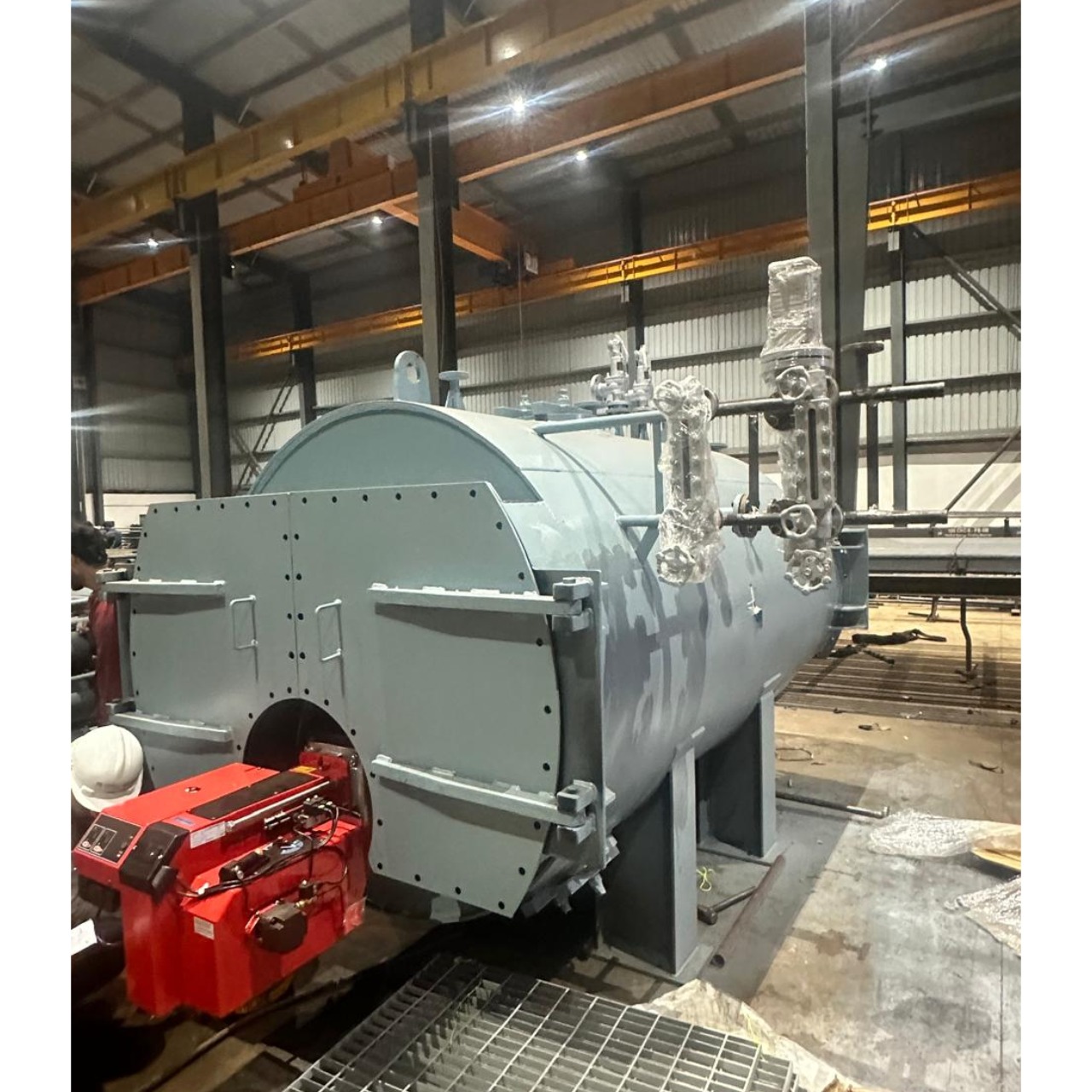
A waste heat recovery boiler can utilize heat from suitable industrial exhaust streams to generate steam or support other thermal requirements. Such systems can help reduce the additional fuel required for steam production when sufficient recoverable heat is available.
Selecting Suitable Industrial Heating Equipment
Alongside waste heat recovery, selecting the right primary heating equipment is essential for maintaining reliable production. Industrial facilities must consider their required steam output, operating pressure, fuel availability, process temperature, and expected production demand before investing in a boiler system.
Oversized equipment may operate inefficiently under consistently low loads, while undersized systems may struggle to meet peak demand. Proper capacity planning helps businesses balance performance, energy consumption, and operational flexibility.
Organizations evaluating industrial boiler manufacturers in India should examine manufacturing quality, engineering capabilities, safety features, maintenance requirements, and technical support. These factors can influence equipment reliability throughout its operating life.
The installation environment should also be assessed carefully. Available space, utility connections, fuel handling arrangements, water treatment facilities, and applicable regulatory requirements all contribute to the successful integration of industrial heating equipment.
Maintenance Practices That Support Efficiency
Even well-designed heating systems require regular maintenance to sustain their performance. Over time, scale formation, corrosion, combustion irregularities, damaged insulation, and component wear can reduce heat transfer efficiency and increase energy consumption.
Preventive maintenance helps identify these issues before they cause significant production disruptions. Routine activities may include inspecting heat-transfer surfaces, checking valves and pipelines, monitoring operating parameters, and ensuring that safety devices function correctly.
Water quality management is particularly important for steam-generating equipment. Appropriate feedwater treatment helps control scale and corrosion, protecting equipment components and maintaining efficient heat transfer.
Maintenance records can also provide useful insights into recurring faults, equipment performance, and component replacement schedules. Using this information, businesses can plan servicing more effectively and reduce unexpected downtime.
Combining Efficiency with Environmental Responsibility
Energy efficiency and environmental management are closely connected. Reducing unnecessary fuel consumption can lower operating expenses and, depending on the energy source, reduce associated emissions.
Businesses can strengthen these benefits by combining heat recovery with improved insulation, effective combustion control, regular equipment maintenance, and better process scheduling. Monitoring energy consumption against production output provides a practical way to evaluate whether these measures are delivering measurable improvements.
However, each facility has different requirements. A recovery system that performs well in one industry may not be appropriate for another because exhaust conditions, production schedules, and available heat sources vary considerably.
Technical feasibility, investment costs, maintenance needs, and expected energy savings should therefore be evaluated together before implementing major modifications.
Building a More Efficient Industrial Future
Improving industrial energy performance requires a systematic approach that considers equipment selection, heat utilization, maintenance, and production requirements. Businesses that identify energy losses and invest in suitable efficiency measures can improve resource utilization while supporting dependable manufacturing operations.
Waste heat recovery offers an opportunity to capture value from energy that might otherwise be lost. When combined with appropriately selected heating equipment and consistent maintenance practices, it can contribute to a more efficient and cost-conscious industrial environment.
By making decisions based on actual operating conditions and measurable performance data, industrial organizations can establish practical strategies for long-term productivity, energy management, and sustainable growth.